Basic Pizza Dough
Highlighted under: Casseroles Recipes
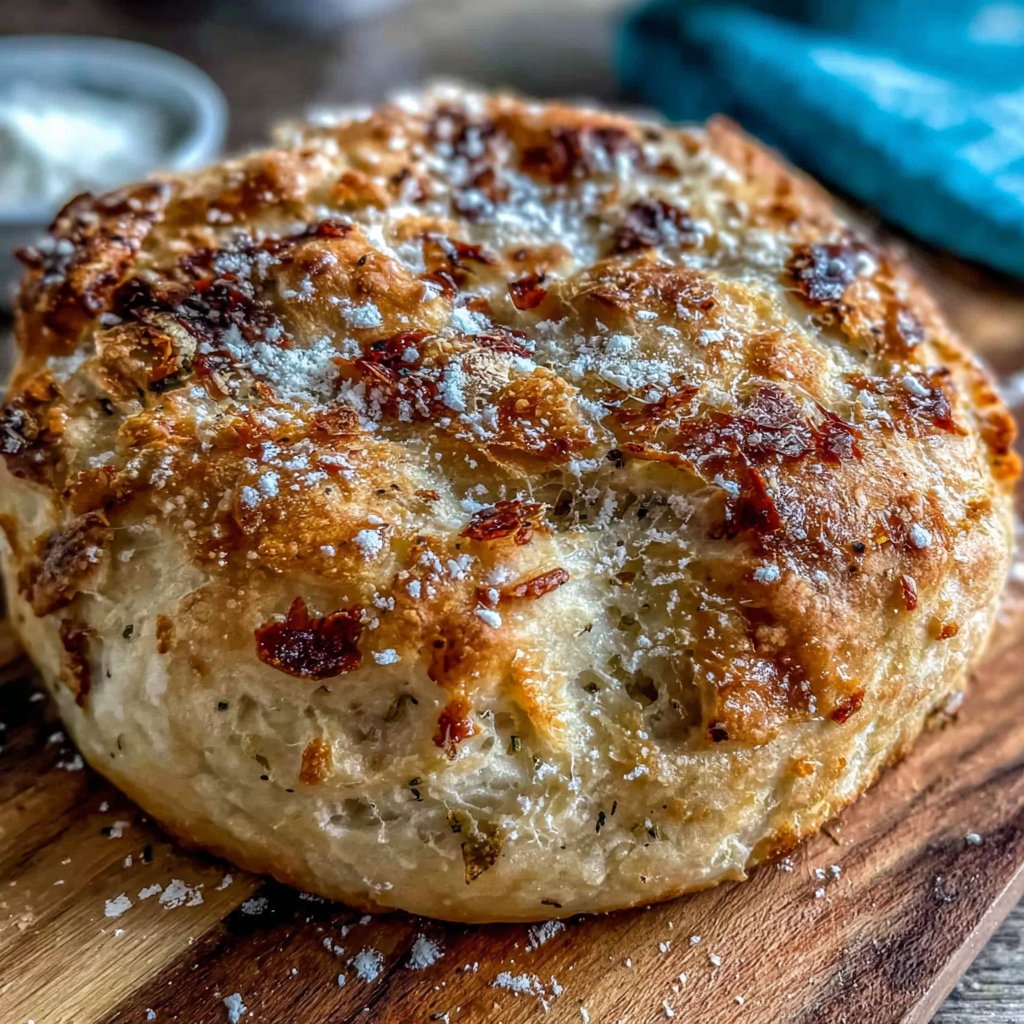
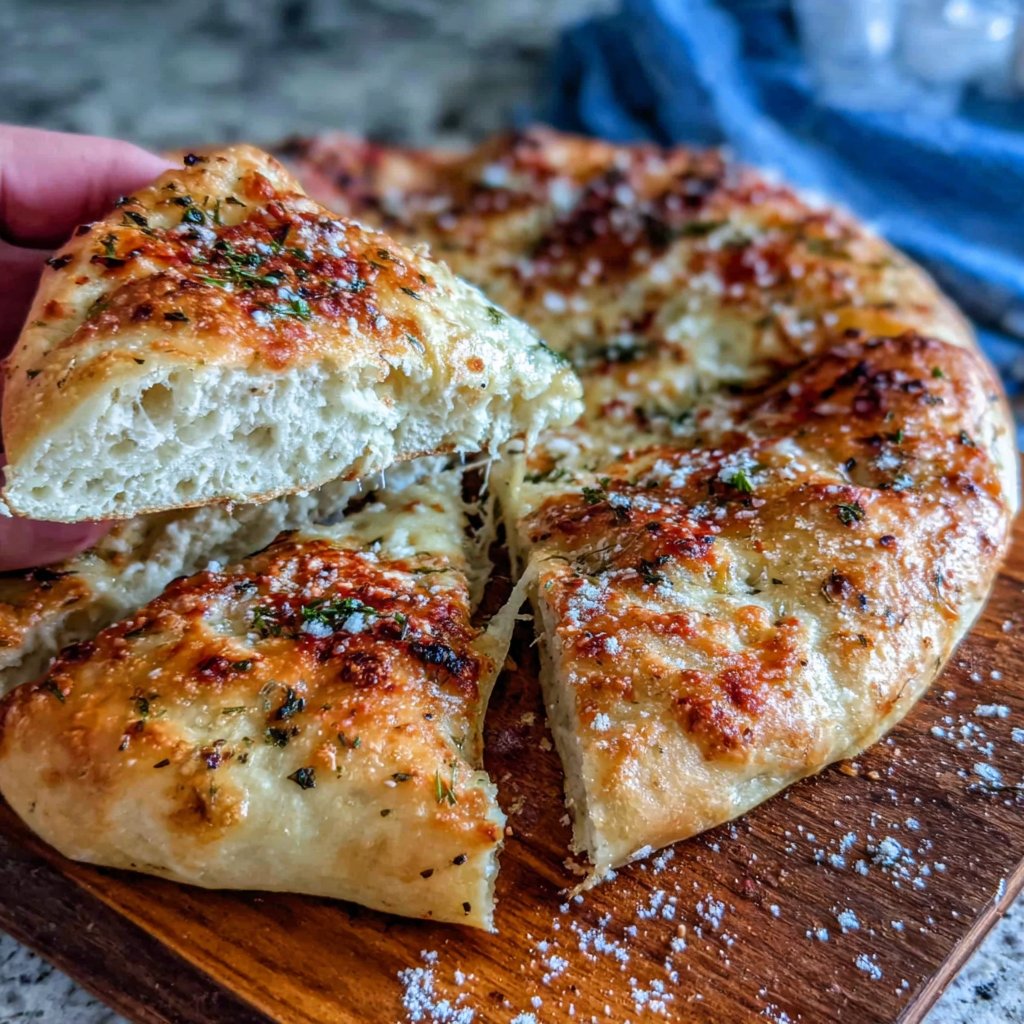
I love making my own pizza dough at home! It's surprisingly simple and so much more satisfying than store-bought options. With just a few basic ingredients—flour, water, yeast, and a pinch of salt—I can create a dough that rises perfectly and has a delightful chew. This recipe is perfect for pizza night with the family, allowing us to customize our toppings just the way we like them. Plus, the aroma of baking bread fills the kitchen, making it an experience to remember.
Creating the perfect pizza dough has been a delightful journey for me. I experimented with different types of flour and hydration levels, and I found that using bread flour gives my crust a wonderful texture—crispy on the outside and chewy inside. The key is allowing it to rest and rise properly, which develops the gluten and enhances the flavor!
To ensure my pizza dough turns out every time, I always check that my yeast is activated before mixing. Dissolving the yeast in warm water with a bit of sugar brings it to life, ensuring a lovely rise. I love to bake the dough until golden brown, the aroma wafting through the house is simply unbeatable.
Why You'll Love This Recipe
- Freshly made dough with a deliciously crisp crust
- Perfect for customizing with your favorite toppings
- Simple ingredients you likely already have at home
Understanding the Ingredients
The foundation of this basic pizza dough lies in the combination of bread flour and active dry yeast. Bread flour has a higher protein content than all-purpose flour, which results in a chewier crust ideal for pizza. Yeast is crucial for fermentation, providing the characteristic rise and texture. The addition of sugar not only activates the yeast but also enhances the dough's flavor and browning during baking.
Olive oil contributes to the dough's moisture and richness, making it easier to stretch and shape. While this recipe calls for classic ingredients, you can swap the olive oil for other oils like avocado or melted butter for different flavor profiles. Just remember to maintain proportions to ensure the dough's balance.
Kneading Techniques
Kneading is a vital step in developing gluten, which provides structure and elasticity to your pizza dough. When kneading by hand, focus on pressing the dough with the heel of your palm, folding it over onto itself, and then repeating the motion. Aim for a smooth, slightly tacky texture that springs back when poked. If you find the dough is too sticky, add small amounts of flour as needed but be cautious not to overdo it, as too much flour can lead to a dry, dense crust.
After kneading, you should observe a noticeable difference in the dough's texture. It should feel elastic and slightly firm. To check if it's ready for the first rise, do the 'windowpane test'—stretch a small piece of dough gently between your fingers; it should form a thin, translucent sheet without tearing.
Ingredients
For the Dough
- 3 1/2 cups bread flour
- 1 packet active dry yeast (2 1/4 teaspoons)
- 1 cup warm water (110°F)
- 1 teaspoon sugar
- 1 tablespoon salt
- 1 tablespoon olive oil
Make sure to measure your ingredients carefully for the best results.
Instructions
Activate the Yeast
In a small bowl, combine the warm water, sugar, and yeast. Let it sit for about 5 minutes until frothy.
Mix the Dough
In a large bowl, combine the flour and salt. Make a well in the center and add the yeast mixture along with the olive oil. Mix until a dough forms.
Knead the Dough
Transfer the dough to a floured surface and knead for about 5-7 minutes until smooth and elastic.
First Rise
Place the dough in a greased bowl, cover with a damp cloth, and let it rise in a warm place for 1 hour or until doubled in size.
Preheat Oven
Preheat your oven to 475°F (245°C) during the last 15 minutes of the dough’s rising time.
Shape the Pizza Crusts
Once the dough has risen, punch it down and divide it into two equal pieces. Roll out each piece on a floured surface to your desired thickness.
Now your pizza dough is ready for your favorite sauce and toppings!
Pro Tips
- For extra flavor, consider adding garlic powder or herbs to your dough. Also, allow your shaped crust to rest for a few minutes before adding toppings for a better texture.
First Rise Tips
The first rise is crucial for developing flavor and texture in your pizza dough. Place the covered dough in a warm environment; the ideal temperature is around 75°F to 85°F. This might be achieved by placing it in an unheated oven with the light on or near a warm stove. If your kitchen is cold, consider using a slightly warmed oven (turn it off before placing the dough inside) for optimal rising conditions.
Monitor the dough closely. It should double in size within an hour, but this might take longer in cooler conditions. If you’re unsure, look for visual cues: the dough should feel light and airy when you gently poke it. If your dough hasn’t risen enough after an hour, give it additional time rather than rushing to the next step.
Storage and Make-Ahead Options
If you're looking to prepare ahead, this dough can be made and refrigerated for up to 24 hours after the first rise. Simply punch it down, shape it into a ball, wrap it tightly in plastic wrap, and store it in the fridge. Before using, allow the dough to come to room temperature for about 30 minutes and give it a quick knead to restore elasticity.
For longer storage, consider freezing the dough. After the first rise, divide it into portions, oil lightly, wrap tightly in plastic, and store in a freezer-safe bag. Dough can be frozen for up to three months. To use, thaw overnight in the refrigerator and let it rise at room temperature for an hour before shaping.
Questions About Recipes
→ Can I freeze the dough?
Yes, you can freeze the dough after the first rise. Wrap it tightly in plastic wrap and store it in an airtight container.
→ How long can I store the dough in the fridge?
You can store the dough in the fridge for up to 3 days. Just remember to bring it to room temperature before shaping.
→ What if my dough doesn’t rise?
This could be due to inactive yeast. Make sure to check the expiration date on your yeast and that the water was warm, not hot.
→ Can I use all-purpose flour instead?
Yes, you can, but the texture may be slightly different. Bread flour provides more gluten, resulting in a chewier crust.
Basic Pizza Dough
Created by: The Chefsamuelbakes Team
Recipe Type: Casseroles Recipes
Skill Level: Beginner
Final Quantity: 2 crusts
What You'll Need
For the Dough
- 3 1/2 cups bread flour
- 1 packet active dry yeast (2 1/4 teaspoons)
- 1 cup warm water (110°F)
- 1 teaspoon sugar
- 1 tablespoon salt
- 1 tablespoon olive oil
How-To Steps
In a small bowl, combine the warm water, sugar, and yeast. Let it sit for about 5 minutes until frothy.
In a large bowl, combine the flour and salt. Make a well in the center and add the yeast mixture along with the olive oil. Mix until a dough forms.
Transfer the dough to a floured surface and knead for about 5-7 minutes until smooth and elastic.
Place the dough in a greased bowl, cover with a damp cloth, and let it rise in a warm place for 1 hour or until doubled in size.
Preheat your oven to 475°F (245°C) during the last 15 minutes of the dough’s rising time.
Once the dough has risen, punch it down and divide it into two equal pieces. Roll out each piece on a floured surface to your desired thickness.
Extra Tips
- For extra flavor, consider adding garlic powder or herbs to your dough. Also, allow your shaped crust to rest for a few minutes before adding toppings for a better texture.
Nutritional Breakdown (Per Serving)
- Calories: 200 kcal
- Total Fat: 2g
- Saturated Fat: 0.5g
- Cholesterol: 0mg
- Sodium: 400mg
- Total Carbohydrates: 40g
- Dietary Fiber: 2g
- Sugars: 1g
- Protein: 6g